In late 2025, thousands of Nigerian scholarship beneficiaries, both domestic and abroad, continue to grapple with severe financial hardships due to delayed or unpaid stipends. Programs like the Bilateral Education Agreement (BEA) scholarships, TETFund awards, and state-sponsored initiatives—meant to ease the burden of education—have instead become sources of distress as months turn into years without payments.
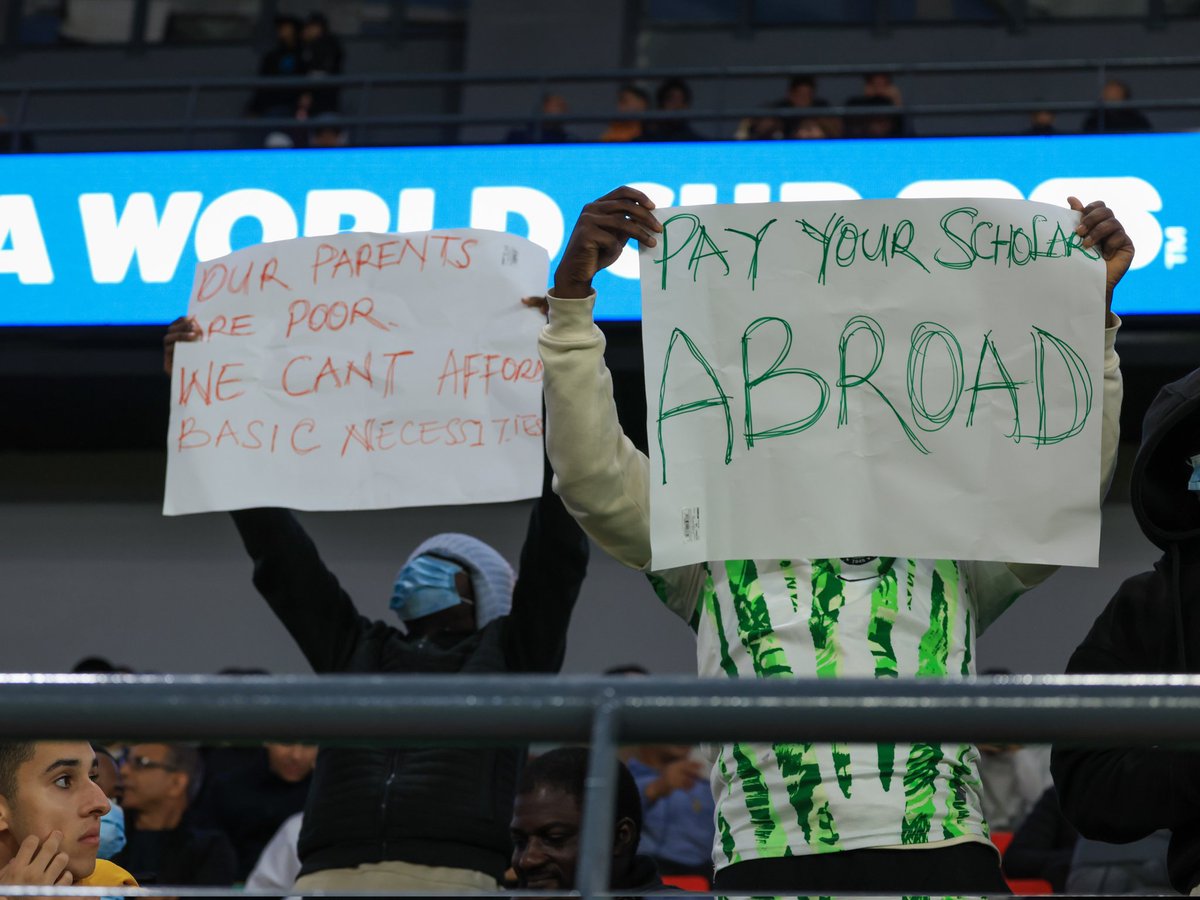
Parents and students have taken to protests in Abuja and online appeals, highlighting arrears stretching up to 16 months.
The BEA Scholarship Debacle Abroad
Nigerian students on federal government scholarships in countries like Russia, China, Hungary, and Morocco face the brunt. Many report going without living allowances for over a year, leading to eviction threats, hunger, and inability to focus on studies.

Stranded scholars have protested at embassies, with some resorting to menial jobs or begging to survive. The Foreign Affairs Ministry has cited budgetary constraints and verification delays, but critics point to poor planning and mismanagement.
Domestic Delays and Local Impacts
Even within Nigeria, beneficiaries of TETFund, state scholarships, and other programs endure similar woes. Upkeep allowances and research grants remain unpaid, forcing students to drop out or accumulate debts.


Poor hostel conditions compound the hardship, with overcrowded and unhygienic facilities exacerbating health risks.
From Celebration to Despair
Scholarship awards often begin with fanfare—ceremonies celebrating merit and opportunity.
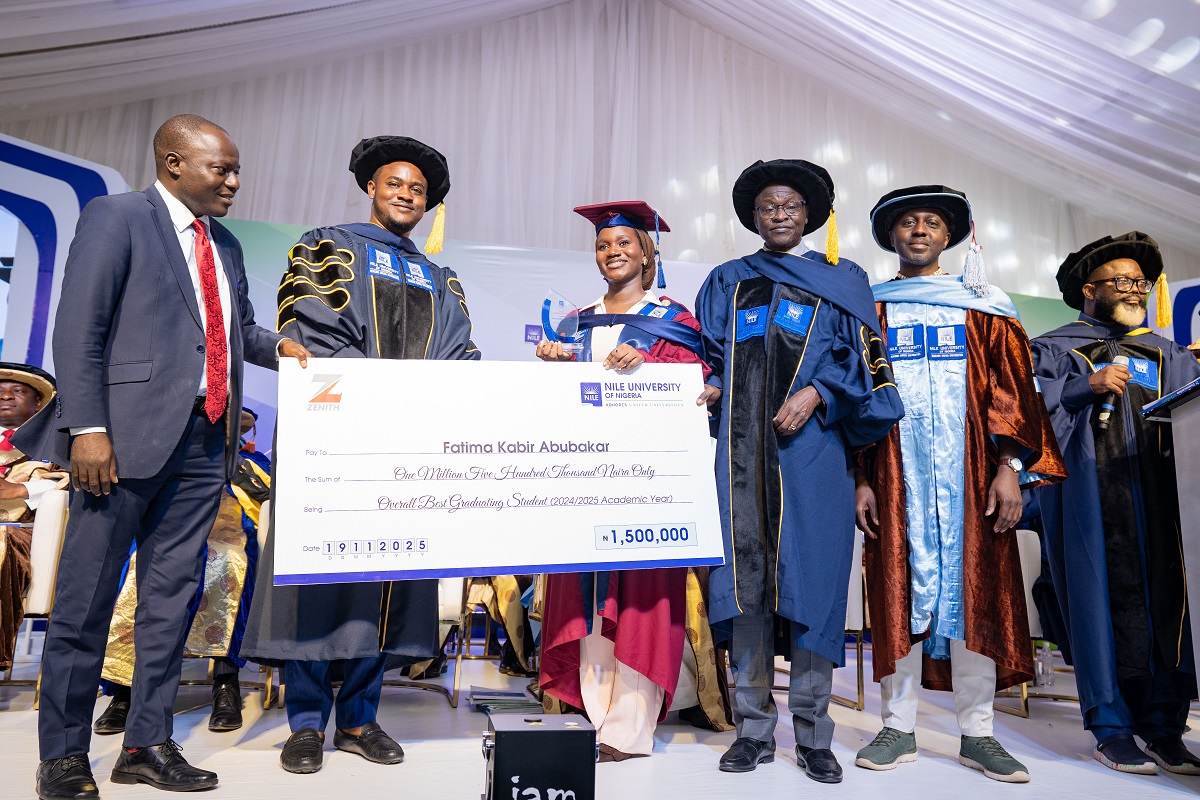
Yet, the joy quickly fades when promised funds fail to materialize, leaving recipients in deeper poverty than before.
Broader Economic Context
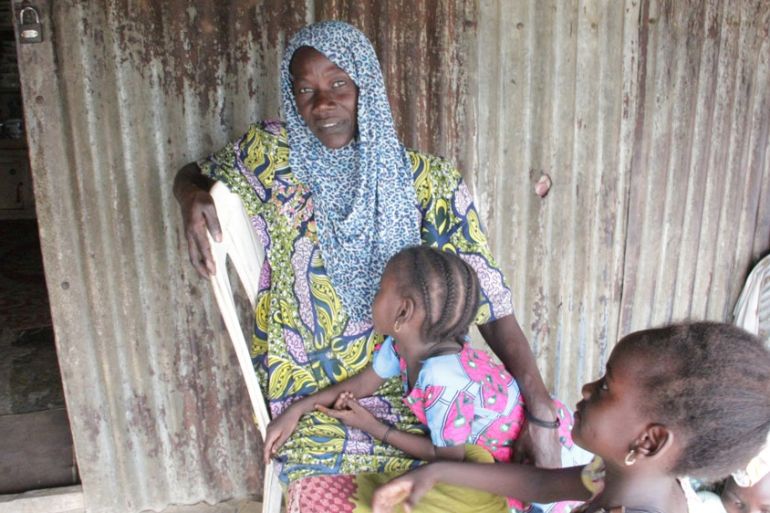
Amid Nigeria’s soaring inflation and living costs, these delays hit harder. Students unable to afford basics face mental health strains, academic setbacks, and lost potential.


Calls for reforms include timely disbursements, better oversight, and increased funding to honor commitments.
As 2025 ends, the plight of these scholars underscores systemic issues in Nigeria’s education support framework, urging urgent government action to prevent further disillusionment among the nation’s bright minds.