Latest Global Logistics & Supply Chain News: A 2025 Recap
As 2025 draws to a close, the global logistics and supply chain industry has navigated a year of persistent volatility, marked by geopolitical tensions, trade policy shifts, technological advancements, and a push toward resilience. From ongoing disruptions in key maritime routes to the accelerating adoption of AI and automation, the sector has adapted amid uncertainty. Here’s a look at the major developments shaping the industry in late 2025.
Persistent Disruptions and Geopolitical Strains
The Red Sea crisis, stemming from Houthi attacks that began escalating in late 2023, continued to disrupt global trade throughout 2025. Despite periodic ceasefires and diplomatic efforts, many carriers maintained rerouting around the Cape of Good Hope, adding 10-14 days to transit times and absorbing significant capacity.


This led to elevated freight costs earlier in the year, though rates stabilized somewhat by December. UNCTAD highlighted how these strains disproportionately affected developing countries, deepening inequalities in global supply chains.
Tariffs emerged as a dominant theme, with U.S. policy changes and retaliatory measures from trading partners reshaping trade flows. Companies increasingly focused on “tariff-proofing” through regional hubs and nearshoring, particularly along the U.S.-Mexico corridor.
Freight Rates and Market Dynamics
Container shipping rates fluctuated in 2025, influenced by capacity management, blank sailings, and seasonal demand. By late December, the Drewry World Container Index stood around $2,200-$2,700 per 40ft container on major lanes, down significantly year-over-year but showing end-of-year gains due to holiday surges and early Lunar New Year preparations.
Major U.S. ports like Los Angeles and Long Beach reported resilient volumes despite trade turmoil, with strong starts to the year offset by later dips.
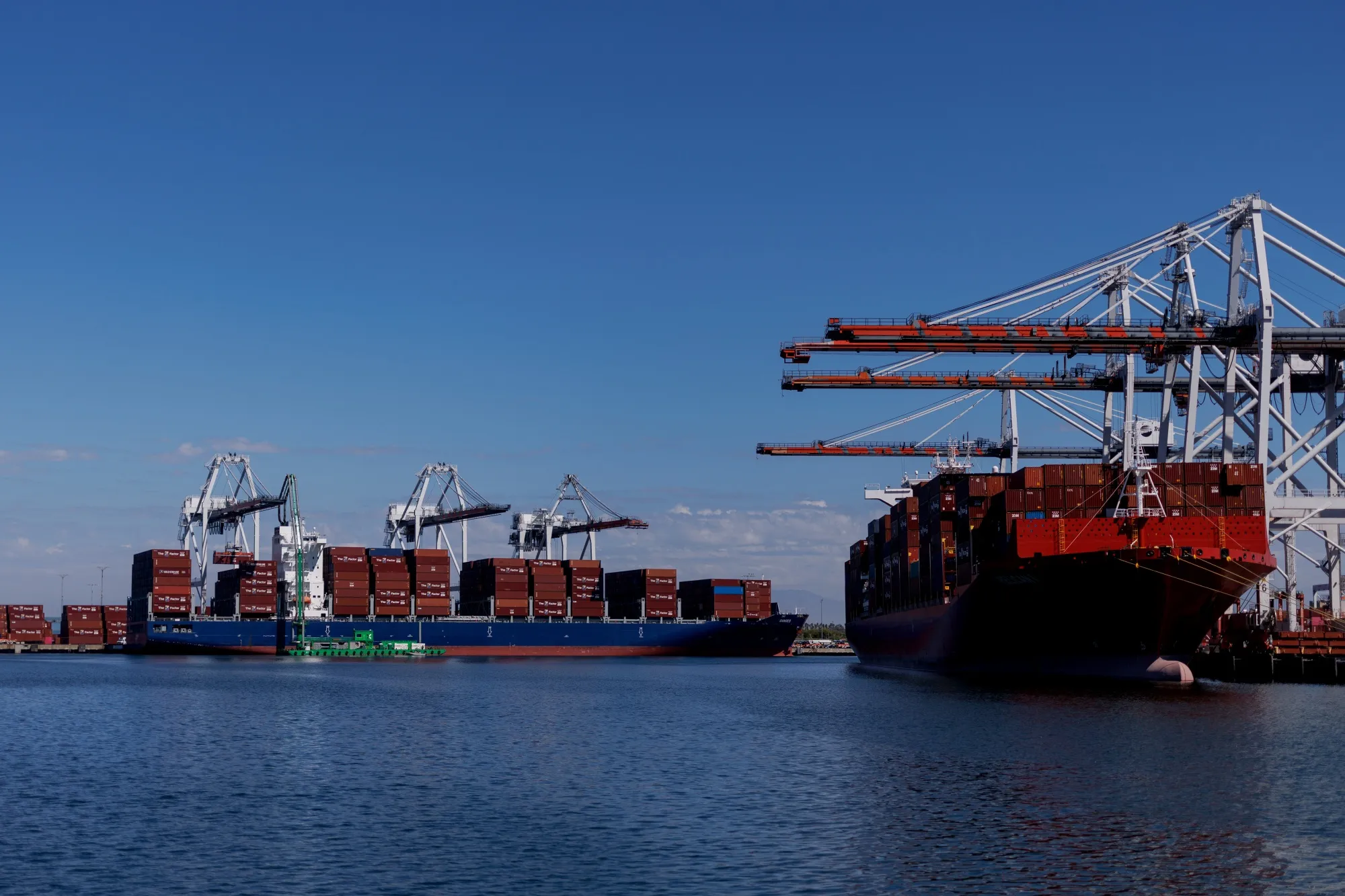


Air cargo saw record volumes, while ocean networks adapted to security risks. Overall, global transportation output growth slowed, with forecasts pointing to modest rebounds in 2026.
The intricate web of global supply chains remained under pressure, emphasizing the need for diversification.

Technology and Sustainability Trends
AI, automation, and digital tools dominated innovation in 2025. Warehouse leaders invested in robotics and cobots to address labor shortages and boost efficiency, with companies like Amazon expanding robotic deployments.

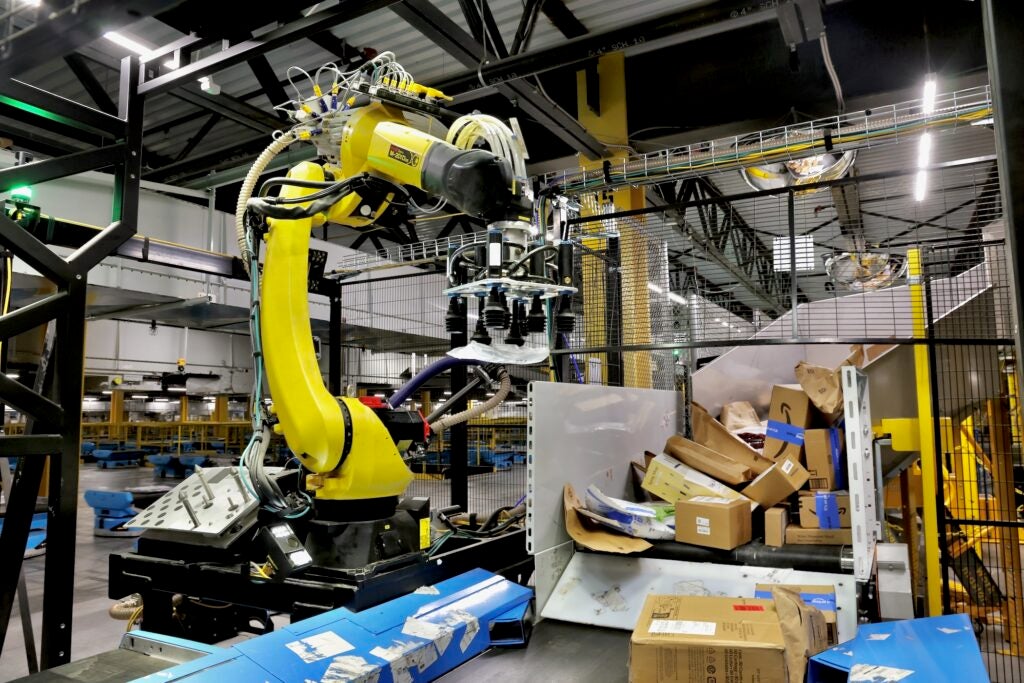

Sustainability gained traction, with regulations like the EU’s Emissions Trading System expansion pushing carbon modeling into logistics planning. Electric trucks and green initiatives reshaped last-mile delivery.


As the industry heads into 2026, resilience—built on technology, diversified sourcing, and proactive risk management—will be key to thriving in an era of structural disruptions.