In 2025, Nigeria’s education sector faces severe financial pressures amid persistent economic hardships. Inflation, currency depreciation, and inadequate government funding have driven sharp increases in school fees across primary, secondary, and tertiary levels, placing immense strain on families and students. Many households struggle to afford education, leading to higher dropout rates and widened inequalities.


Parents and students often face tough choices between education and basic needs.


Escalating Tuition Fees and Hikes
Private schools have seen fee increases of 20-100% or more, driven by rising operational costs. Sponsoring a child through private primary to public university now costs up to ₦31-65 million in some estimates. Public tertiary institutions, once affordable, have raised fees significantly—some by over 100%—sparking widespread concern.
Institutions like FUOYE, UNIMED, LAUTECH, and others implemented steep hikes in 2025, prompting warnings from NELFUND about loan sustainability.


Protests and Public Outcry
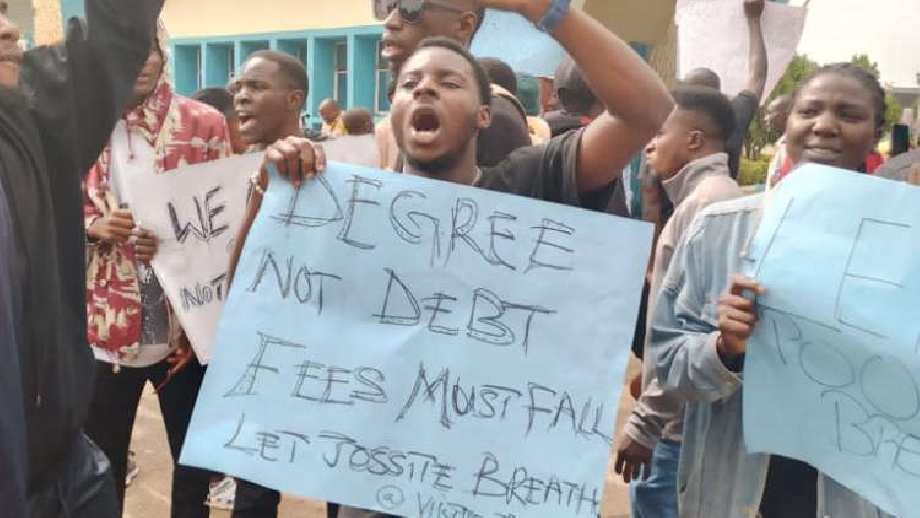
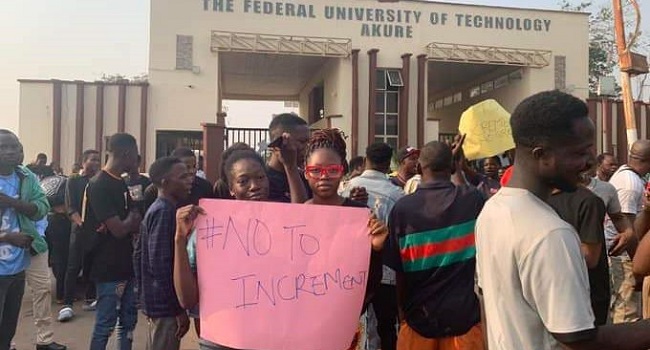
Students and parents have protested fee hikes throughout 2025. Demonstrations at universities like UNIJOS, OAU, FUTA, and FUOYE highlighted frustrations, with demands for reversals amid economic crises. Some protests turned disruptive, reflecting deep discontent.



Impact on Access and Learning Conditions
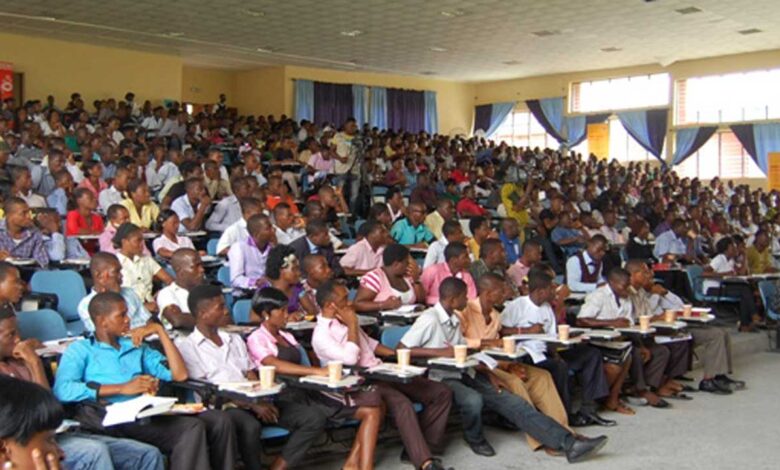
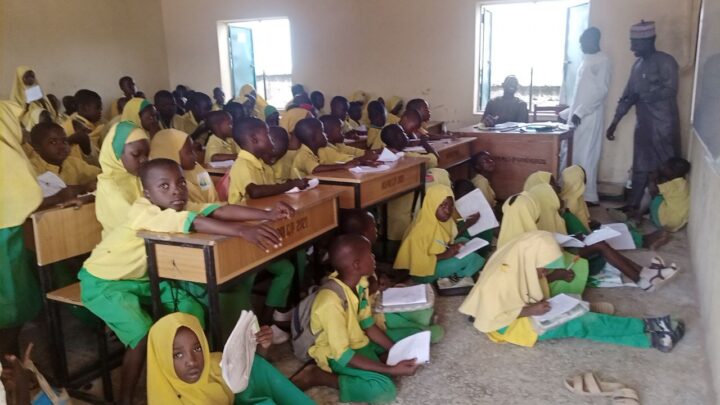
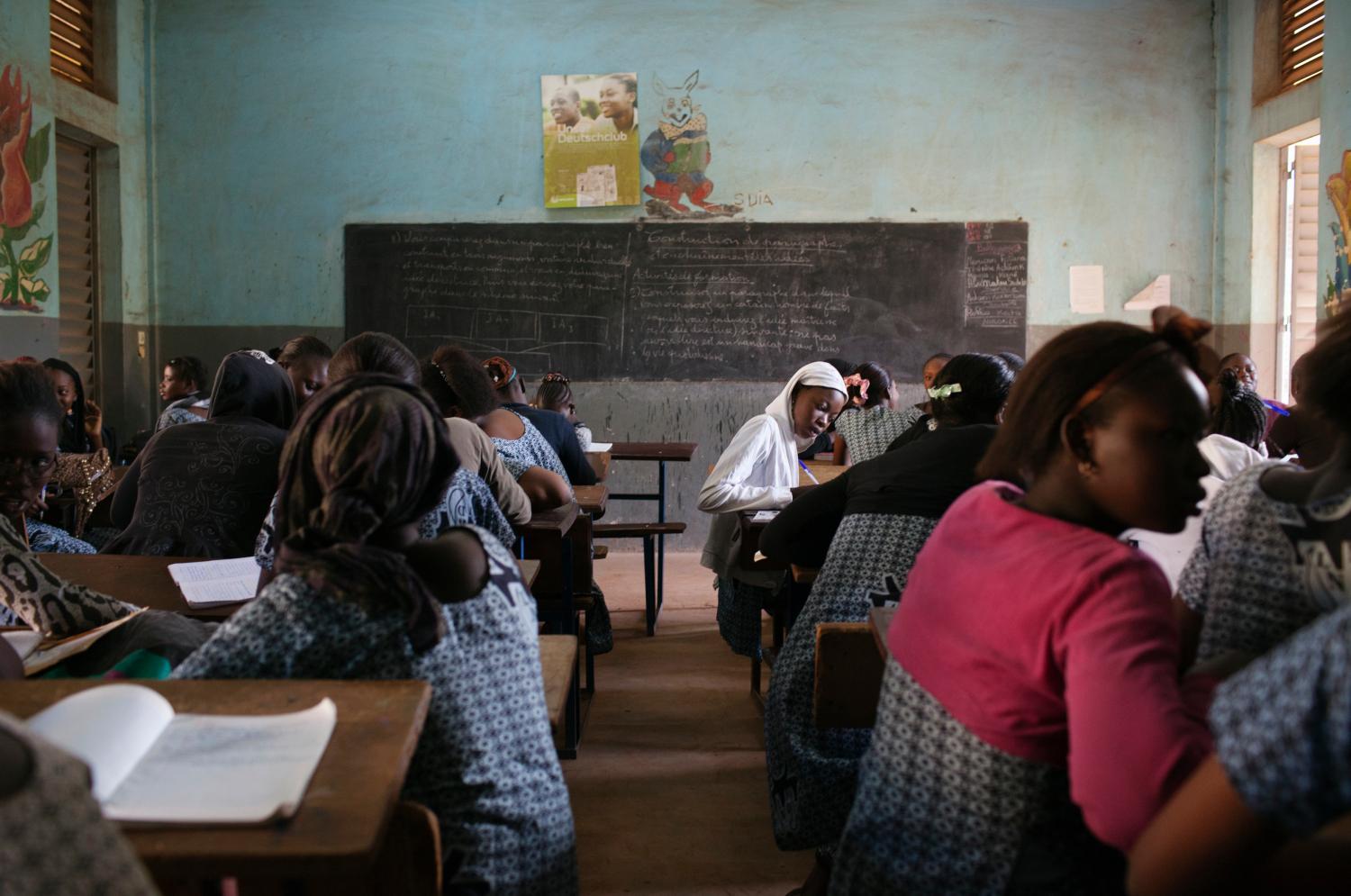
Economic strain has led to overcrowded or empty classrooms in underfunded public schools, poor infrastructure, and students studying in difficult conditions. Over 18 million children remain out-of-school, exacerbated by poverty and costs. Dropout rates rise as families prioritize survival.



Government Efforts and Persistent Gaps
The 2025 education budget rose to ₦3.52 trillion federally and ₦3.6 trillion across states, yet it remains below UNESCO’s 15-20% recommendation (around 7%). Initiatives like NELFUND loans provide some relief, but critics note shortfalls in teacher pay and infrastructure.
As Nigeria grapples with these challenges, equitable access to education hangs in the balance, underscoring the need for sustainable funding and policy reforms to prevent further exclusion of vulnerable groups.